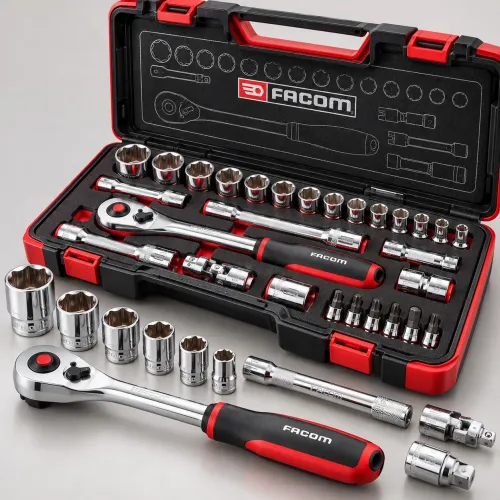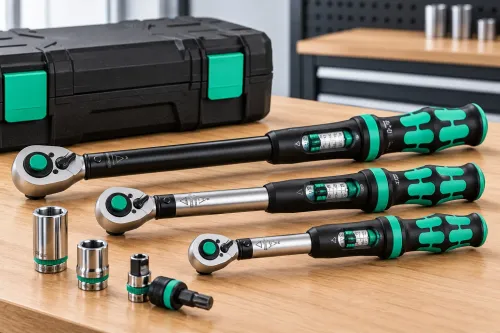
A socket set often becomes one of the hardest-working pieces of equipment in a mechanical workshop.
Technicians use it for servicing machines, assembling components, maintaining vehicles and accessing fasteners that cannot be handled efficiently with a conventional spanner.
The challenge is that not every socket set provides the same practical coverage.
A YATO Ratchet Socket Set should therefore be selected according to fastener sizes, drive requirements and actual workshop applications rather than total piece count.
Start With the Equipment You Maintain
Before comparing socket sets, list the major equipment serviced by the workshop.
For each category, identify:
- Common fastener sizes
- Metric or SAE requirements
- Typical access conditions
- Required drive size
- Need for deep sockets
- Need for extensions
- Frequency of maintenance
This transforms tool procurement from guesswork into a clear specification.
Drive Size Is a Key Decision
Different ratchet drive sizes suit different ranges of fastening work.
Smaller drives are typically associated with more compact fasteners and confined areas, while larger drive systems are used where greater socket sizes and mechanical loads are involved.
A workshop maintaining varied machinery may benefit from multiple drive sizes rather than trying to make one ratchet system handle every task.
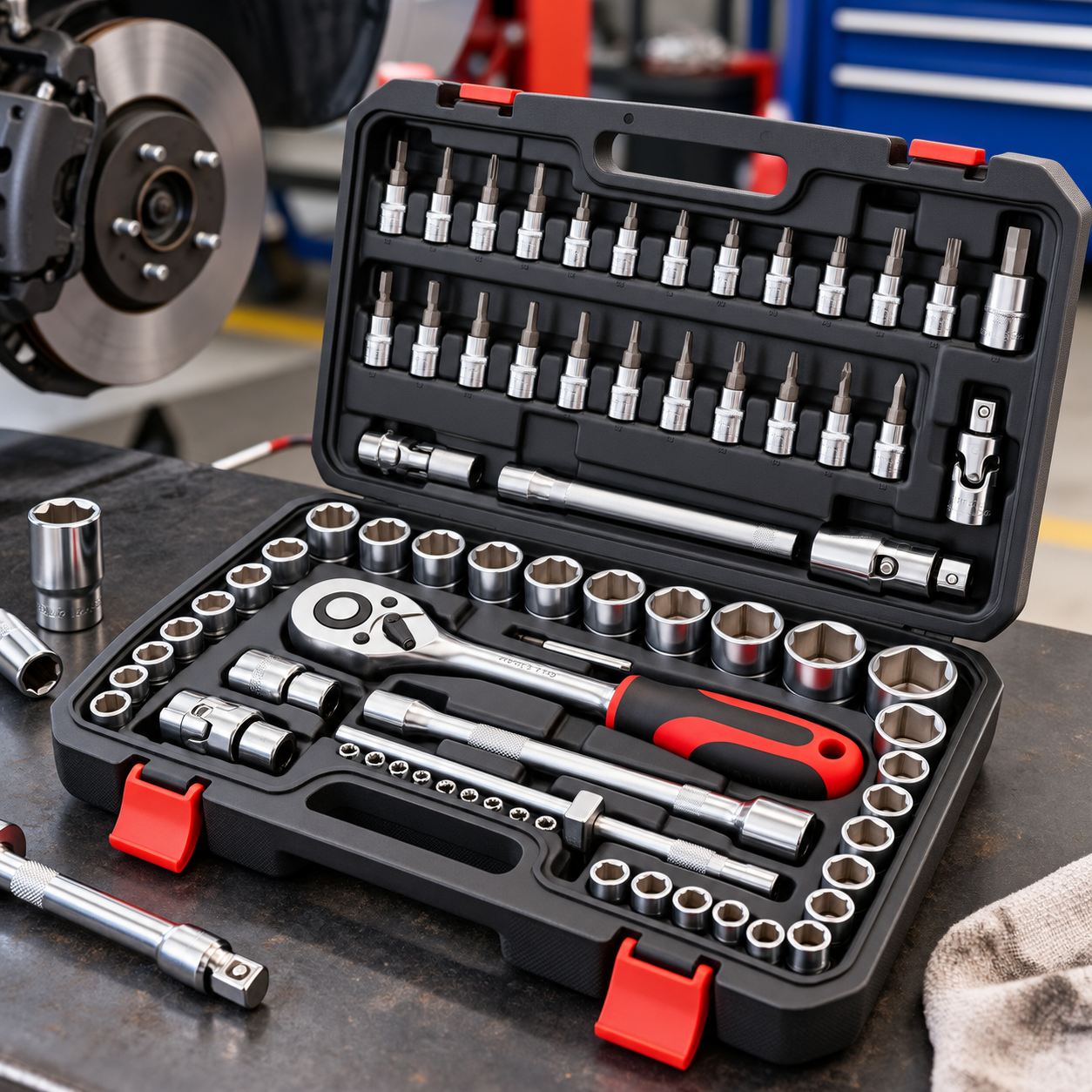
Compare Useful Pieces Rather Than Total Pieces
Manufacturers may count sockets, bits, adapters and extensions separately.
That means a high piece count does not necessarily provide better coverage.
Procurement teams should compare the actual socket sizes.
For example, a set may contain many accessories while missing two sizes technicians use every day.
Speak to workshop personnel before purchasing. Missing-tool complaints often reveal more about the correct specification than a catalogue description.
Ratchet Design Matters in Confined Areas
One major advantage of a ratchet is the ability to turn fasteners without removing the tool after every movement.
This becomes particularly useful around machinery frames, engines, brackets and equipment housings.
When technicians frequently work in restricted areas, consider the physical dimensions of the ratchet and the operating space available around the fastener.
Use the Correct Socket for the Correct Tool
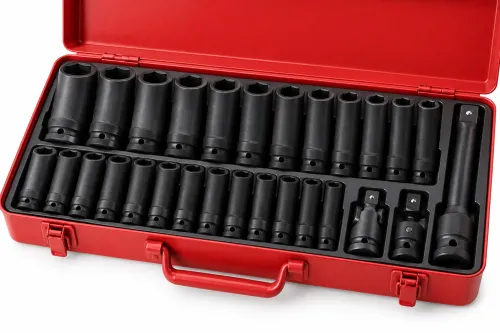
Standard hand sockets and impact sockets serve different purposes.
Workshop teams should not automatically use standard sockets on pneumatic or powered impact wrenches.
Where impact operation is required, select sockets specifically designed for that application.
This should form part of technician training and workshop tool-control procedures.
Storage Has Operational Value
An organised case helps technicians identify missing sockets quickly.
When every piece has a defined position, incomplete sets can be noticed before the next maintenance job.
This becomes particularly useful for contractors whose equipment travels between sites.
Across Delhi NCR, mechanical service teams may move between facilities in Delhi, Noida, Gurugram, Ghaziabad and Faridabad, making secure portable storage valuable.
When Is a Workshop Ready to Buy?
A business is ready to procure a YATO Ratchet Socket Set when it knows:
- Required drive size
- Metric or SAE preference
- Required socket range
- Whether deep sockets are necessary
- Required accessories
- Whether the kit will remain stationary or travel
- How many technicians need access
Miracle Tools And Tackle LLP supplies professional hand and industrial tools to buyers throughout Delhi NCR from New Delhi.
A good socket set should solve the fastener problems technicians actually encounter. Choosing based on usable size coverage and workshop requirements delivers far more value than choosing the case with the highest number of pieces.
Keywords